
Jul 2, 2026
Proactive AI Memory Should Resurface Work
AI-ready memory that actively recalls context across personal and group work
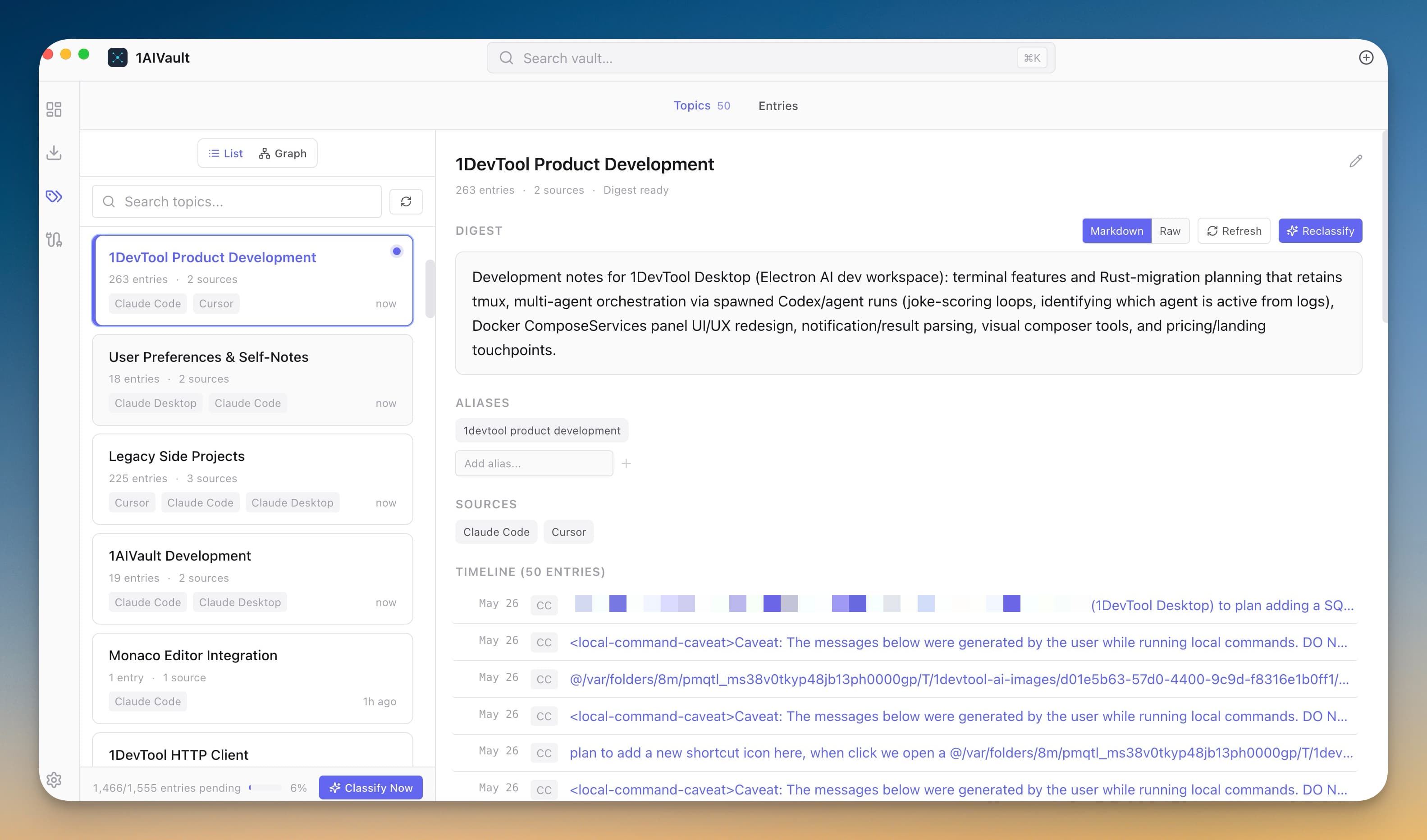
Proactive AI Memory Should Resurface Work because useful AI work is no longer contained inside a single chat window. People are carrying project files, research notes, prompts, decisions, meeting fragments, and model-specific instructions across tools. When that context stays trapped in whichever chat happened to be open, the next session starts with reconstruction instead of progress.
The pattern behind this row is practical rather than theoretical: New PKM, Claude, and Obsidian threads show people wanting notes and AI context to come back at the right time, not just sit in a vault. The useful lesson is AI-ready memory that actively recalls context across personal and group work. In SEO terms, proactive AI memory is not a request for a larger transcript drawer. It is a request for memory that can be owned, searched, edited, and reused when the model or workspace changes.
The failure mode is familiar: the user knows the answer exists somewhere, but not where it lives, which version is current, or whether the next model will see it. Once that happens, memory becomes another maintenance burden instead of leverage.
Chat History Is Not a Memory System
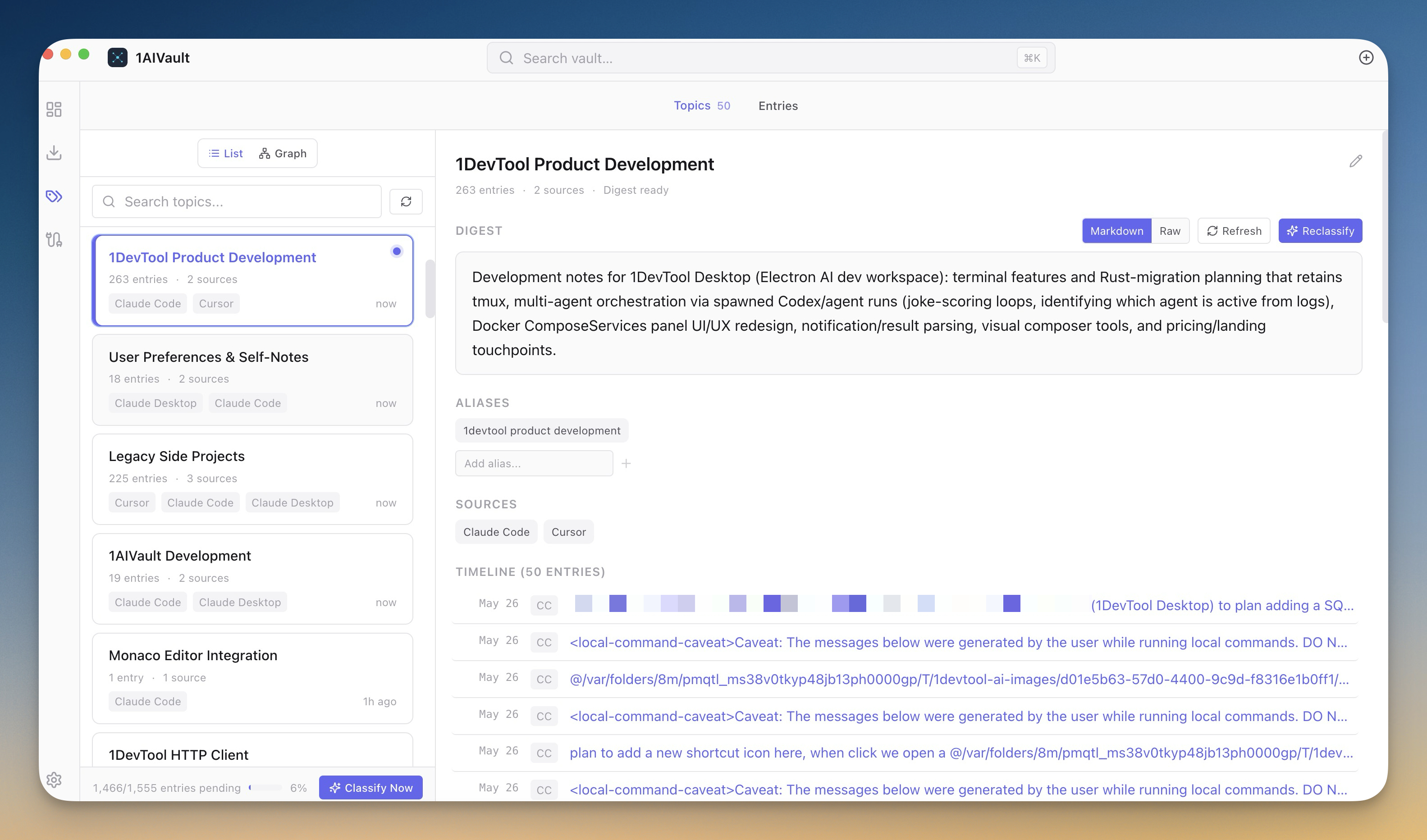
A chat transcript records what happened, but it does not decide what should be carried forward. Long conversations contain useful decisions next to false starts, outdated instructions, pasted files, and dead branches of reasoning. If all of that becomes memory equally, the next AI session inherits noise. If none of it becomes memory, the user has to keep explaining the project from scratch.
Durable AI memory needs a stronger unit than the chat. It should capture reusable facts, open decisions, constraints, source links, and the reasoning that still matters. The transcript can remain evidence, but the working memory has to be smaller, clearer, and easier to review.
Retrieval Is the Real Test
Saving context feels productive until the user needs a specific piece of it later. That is where many note systems and AI chats fail. They collect material, but retrieval depends on remembering the right folder, title, prompt, or conversation date. The result is a knowledge base that exists in theory and fails under deadline pressure.
A useful memory layer should make retrieval part of the design. Project names, topics, source links, tags, and recent use all help the system answer a simple question: what context should be available for this next piece of work? For ai memory, pkm, obsidian, proactive recall, retrieval is not a convenience. It is the difference between reusable knowledge and another archive.
Owned Context Should Be Editable
Users need to correct their memory layer. They need to remove stale instructions, merge duplicate notes, rewrite a project summary, and export the context when they change tools. A vendor-managed black box can be helpful for personalization, but it is a poor place to store the user's operational memory.
Editable context also builds trust. If a saved memory is wrong, the user can fix it. If a project summary is missing a constraint, the user can add it. If a model upgrade changes the workflow, the memory can move without waiting for a platform feature. Ownership is not an ideology here; it is maintenance.
The Memory Layer Belongs Outside the Model
Models change. Accounts hit limits. Teams switch clients. Personal workflows move between desktop apps, browsers, local models, and hosted assistants. Memory that only works inside one provider becomes another migration risk.
The more durable pattern is a local or exportable layer that sits beside the model. It can feed Claude today, a local model tomorrow, and a different workspace next month. It can preserve the user's decisions even when the chat surface changes. That is especially important for research, coding, writing, and personal knowledge work where context compounds over months.
Reuse Is the Point
The goal is not to save every interaction. The goal is to make the next interaction better without forcing the user to repeat themselves. Good AI memory should reduce setup time, prevent forgotten constraints, and make prior work inspectable before it is reused.
That is why proactive AI memory matters. The next wave of AI productivity will not come only from larger context windows. It will come from giving users a stable place to keep the context that is actually theirs.