
Jun 27, 2026
Memory Capture Is Splitting Off From the Chat Window
People are building separate tools just to capture notes, files, bookmarks, and cited answers — because the chat window was never meant to hold the things you want to keep.
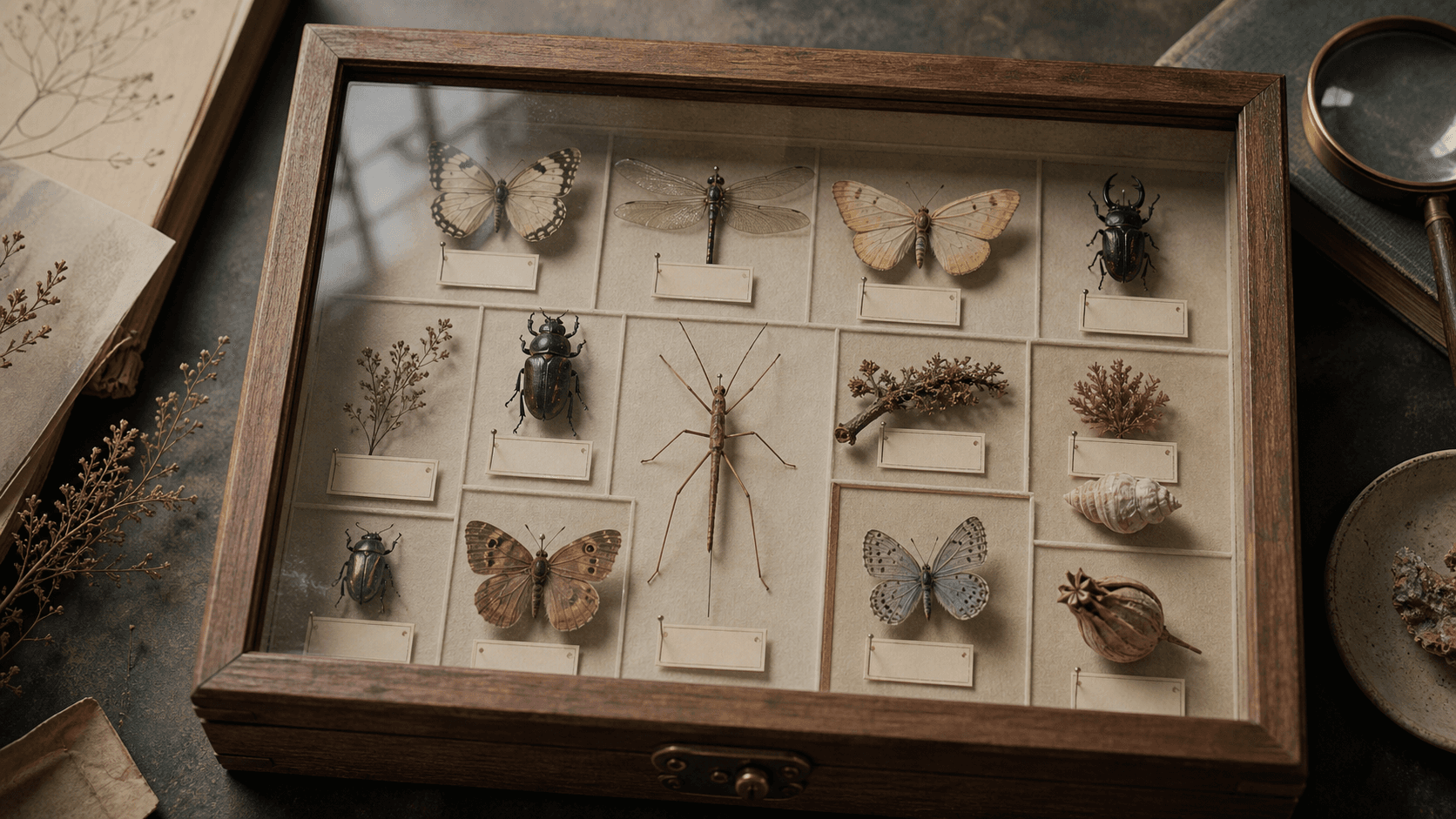
A small but telling shift is underway in how people use AI: capture is separating from conversation. The chat window is where you do the thinking, but a growing number of people are reaching for separate tools to keep things — notes, PDFs, research, bookmarks, cited answers, half-finished ideas. They have noticed that the place you generate an insight and the place you should store it are not the same place, and they are building the second place by hand because the tools have not offered it.
The motivations are consistent. Someone keeps turning to AI to work through notes and research, wants the cited answers preserved, and explicitly does not want that personal material living in someone else's cloud. Someone else builds capture tooling with auto-tagging and bookmark saving, treating memory capture as a workflow in its own right. The common realization is that a chat is a terrible container for anything you intend to come back to.
The chat window is built to be thrown away
A conversation is optimized for the present moment. It is linear, ephemeral, and bounded by a context window that eventually fills and forgets. That design is fine for thinking out loud and useless for keeping. The good answer you got three weeks ago is technically somewhere in your history, buried in a transcript you will never scroll back to, with no structure and no way to surface it on demand. The chat did its job — it helped you in the moment — and then it became a place where insights go to be lost.
This is why capture is splitting off. The instant you decide something is worth keeping, the chat window stops being the right tool, because keeping requires structure, retrieval, and permanence — exactly the properties a disposable conversation lacks. People are building separate capture layers because they hit this wall and the chat offered no way over it.
Citations are the part that makes memory trustworthy
A recurring detail in these home-built capture tools is the emphasis on sources. People do not just want the answer saved; they want to know where it came from, so they can trust it later. An AI answer with no provenance is hard to rely on weeks after the fact — you cannot tell whether it was grounded or invented. A captured answer that carries its source links is durable knowledge; a captured answer without them is just a quote you are not sure you can believe.
This is what separates real memory from a pile of saved text. Source-linking turns a captured answer into something you can act on with confidence later, because the provenance travels with it. It is the difference between "I think the AI told me this" and "here is the claim and here is what it was based on."
Capture has to be local to be honest
The other non-negotiable in these tools is privacy. The material people most want to keep — personal notes, research, financial and health documents, half-formed ideas — is exactly the material they least want to upload to a hosted service. So the capture layer keeps drifting local: notes, files, bookmarks, and memories stored on the user's own machine, searchable, but never handed to someone else's cloud. The desire to keep things and the desire to keep them private are the same desire, pointing at the same architecture.
A real second place, not a better chat
Put it together and a clear shape emerges: a capture layer that sits beside the chat, not inside it. A place where notes, files, bookmarks, and cited answers accumulate, stay private, carry their sources, and can be pulled back into the next task instead of disappearing into a transcript. The chat stays what it is good at — thinking in the moment — and the keeping happens somewhere built for keeping.
People are already building this for themselves, one home-rolled tool at a time. The signal is unmistakable: the chat window was never meant to be your memory, and the workflow of capturing is splitting off to become its own thing.