
Jun 20, 2026
A Local-First NotebookLM Alternative for Chatting With Your Own Documents
NotebookLM is great until you want your sources organized, exportable, and off someone else's cloud. Here's what to look for in a private, local-first alternative.
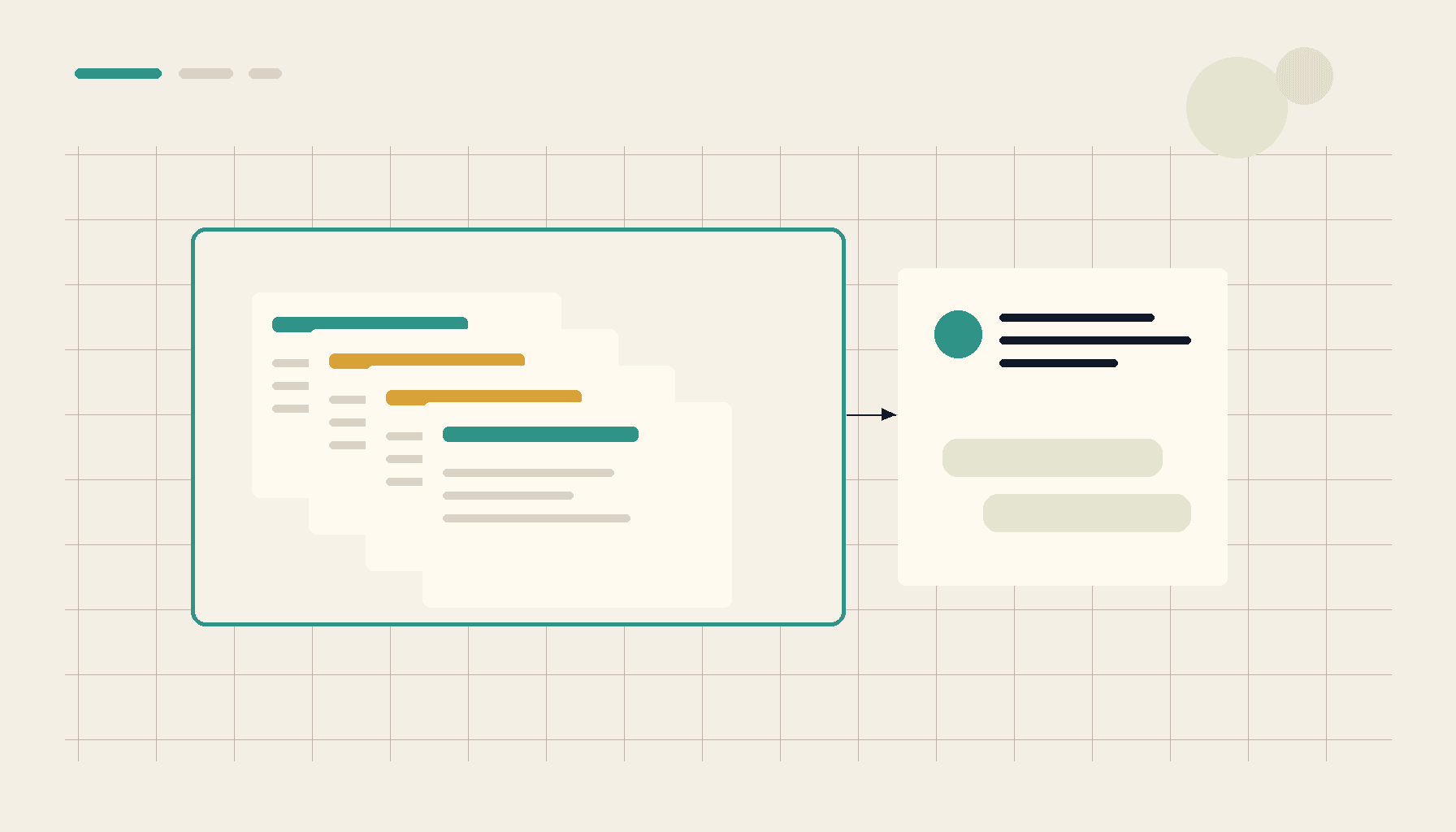
NotebookLM did something genuinely useful: it let you drop in a handful of sources and then ask questions grounded in those documents instead of the open internet. For a lot of people it was the first time "chat with my own stuff" actually worked.
Then you use it for a few months and the same complaints surface, over and over, in r/notebooklm:
Are there any better NotebookLM alternatives?
NotebookLM alternatives for lifelong learning — local-first options?
I stopped expecting one tool to do everything.
Read enough of those threads and the wish list is remarkably consistent. People don't want a clone of NotebookLM. They want the same core idea — ask questions grounded in my own sources — without the three things that start to chafe once it becomes part of how you actually work.
What people actually run into
It's cloud-only, and the sources are yours. The documents people most want to do this with — research, contracts, medical records, financial statements, an entire personal archive — are exactly the ones they're least comfortable uploading to a hosted service indefinitely. "It's convenient" stops being enough once the material is sensitive.
There's nowhere to organize anything. Notebooks are flat. Once you have more than a few, finding the right one and keeping sources coherent across them becomes its own chore. There's no real structure to grow into.
You can't get your work back out. The syntheses and connections you build up live inside the product. Export is thin to nonexistent. Everything you do accrues to the tool, not to you — which is a strange thing to accept from something you're using to manage your own knowledge.
None of these are bugs in NotebookLM exactly. They're the natural consequences of a cloud product with a narrow, session-shaped scope. But they're precisely why "is there a local-first alternative?" keeps getting asked.
What a local-first alternative should actually do
If you're evaluating alternatives, the bar isn't "does it chat with documents" — plenty do. It's whether it fixes the structural gaps:
- Local-first and private by default. Your sources and the answers derived from them stay on your machine (or your own infrastructure), not on a vendor's servers. Privacy stops being a setting you hope is configured correctly and becomes the default posture.
- Real organization, not just a flat list of notebooks. Documents grouped by topic, linked to each other, and browsable — so the system scales past a dozen sources without turning into a junk drawer.
- Grounded answers with citations. Ask in plain language, get answers built from your documents with pointers back to where they came from, so you can verify instead of trust.
- Connections across sources, not just within one notebook. The interesting insight is usually the link between two documents you uploaded months apart. A good tool surfaces those instead of treating every notebook as a silo.
- Export and ownership. Whatever you build — summaries, topic digests, links — should be yours to take with you. No lock-in.
That last point is the real dividing line. NotebookLM is something you use. A local-first knowledge tool is something you own, and the difference shows up the day you want to leave, back up, or build on top of what you've accumulated.
How 1AIVault approaches it
1AIVault is built as a private, local-first knowledge brain rather than a cloud notebook. The shape that maps onto the NotebookLM use case:
- Drop in your documents and ask. Query your saved material by meaning and get grounded answers, without the sources leaving your control.
- Topic structure that grows. Material is organized and linked by topic, so a large pile of documents stays navigable instead of collapsing into one undifferentiated list.
- Cross-source connections. The vault surfaces relationships between documents you wouldn't have thought to link yourself — the thing flat notebooks can't do.
- Yours to keep. It's your vault. The knowledge you build up is exportable and under your ownership, not trapped behind someone else's product roadmap.
The honest comparison
If your use is "I have five PDFs for a one-off task and I'll never look at them again," NotebookLM is hard to beat — open it, ask, move on. The cloud trade-off barely matters.
The calculus flips the moment this becomes infrastructure: a place you return to, full of material you care about and would rather not hand to a third party. At that point local-first stops being a preference and starts being the requirement — because the tool is no longer a session, it's where your knowledge lives. That's the alternative the threads keep asking for, and it's the one worth holding out for.