
Jul 3, 2026
Reusable AI Context Starts With Fast Capture Before PKM Friction
Reusable AI Context Starts With Fast Capture Before PKM Friction explains why useful AI memory needs fast capture, visible boundaries, and reusable context rather than another transcript archive.

The first failure in a knowledge system is often not search. It is capture. A thought appears, the user opens Notion or a PKM app, and the setup ritual is longer than the useful memory.
Capture is the first memory feature
The queue signal is practical: desktop databases can be good sources of truth, but mobile capture can force too many choices. At the same time, PKM users are tired of copy-pasting notes into AI just to reuse what they already know.
The signal is specific: The row combines slow Notion capture, local AI retrieval for private notes, and an Obsidian-versus-Notion decision about where daily knowledge should live. This is not a request for another place to dump notes. It is a request for memory that can be captured quickly, reviewed later, and reused without polluting every future AI session.
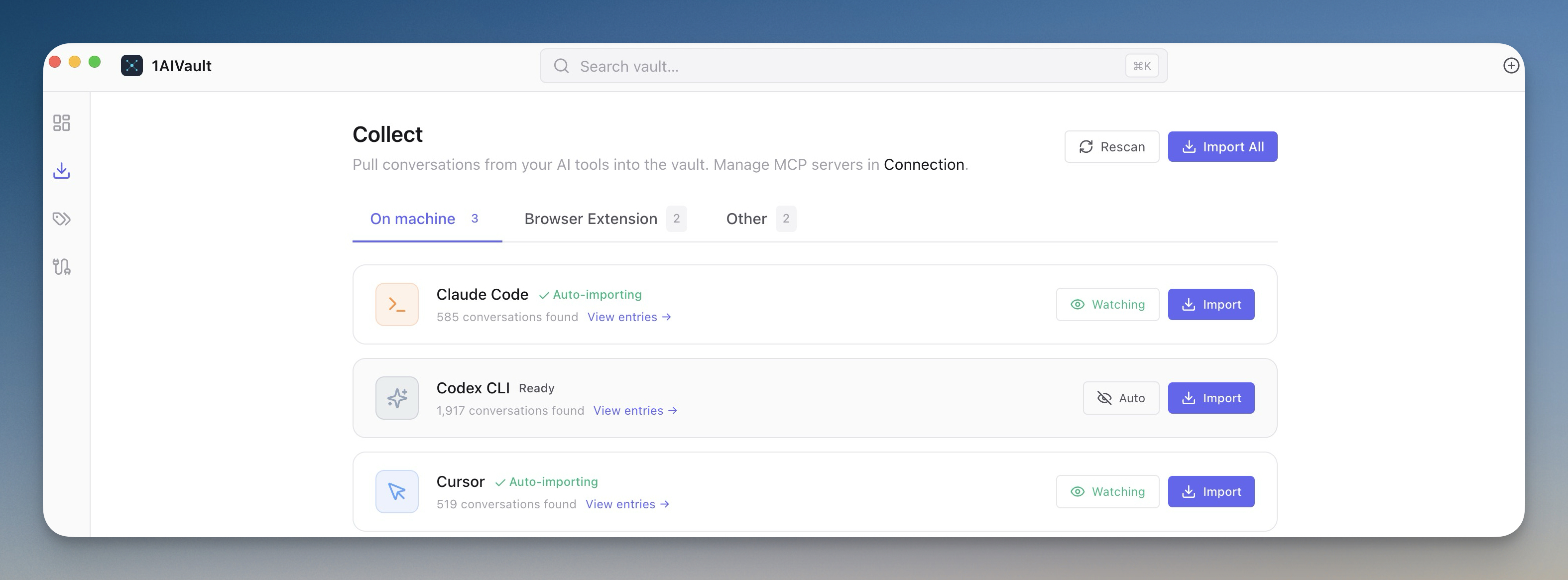 Capture has to be faster than the moment disappearing; organization can come after the context is safe.
The screenshot matters because memory products are otherwise easy to describe vaguely. A visible capture, graph, dashboard, or memory-read surface makes the promise inspectable: context was saved somewhere, came from a source, and can be reviewed before it is reused.
Organization can happen later
A reusable-context layer should accept rough capture first. The user should be able to drop a note, decision, chat fragment, or project fact into an owned vault without deciding its permanent structure immediately.
The system has to meet the user before the material is polished. Notes, chat fragments, project decisions, and half-formed ideas should be easy to save first and organize after the useful context is no longer at risk of disappearing.
That timing is the whole product lesson. Memory that asks for perfect taxonomy up front will be bypassed during real work, while memory that accepts rough capture can improve the record once the user has breathing room.
Boundaries make memory trustworthy
Local-first matters because raw capture is messy. It may include names, half-formed ideas, private project details, or credentials-adjacent context that should not be casually spread across hosted tools.
AI memory is more sensitive than ordinary note storage because it is designed to be reused. The user needs to know what was captured, where it came from, who can read it, and whether an assistant is allowed to write back into the vault.
Reuse is different from storage
Reusable context is different from a tidy note. It needs source links, timestamps, summaries, and enough structure that an AI assistant can use it without turning the whole vault into noise.
A transcript archive can answer "what did I say?" A reusable memory layer should answer "what context helps this task now?" That requires summaries, source links, freshness, and small context packets instead of indiscriminate recall.
Maintenance is part of the product
The best memory system protects the thought first and improves the structure later. If capture is slow, the memory layer never gets the chance to be intelligent.
Memory that cannot be pruned becomes another inbox. The durable version is local, inspectable, and willing to treat forgetting as a feature when old context would make the next task worse.