
Jul 3, 2026
Compressed State and Shared Sessions Are Redefining AI Memory
Compressed State and Shared Sessions Are Redefining AI Memory explains why useful AI memory needs fast capture, visible boundaries, and reusable context rather than another transcript archive.
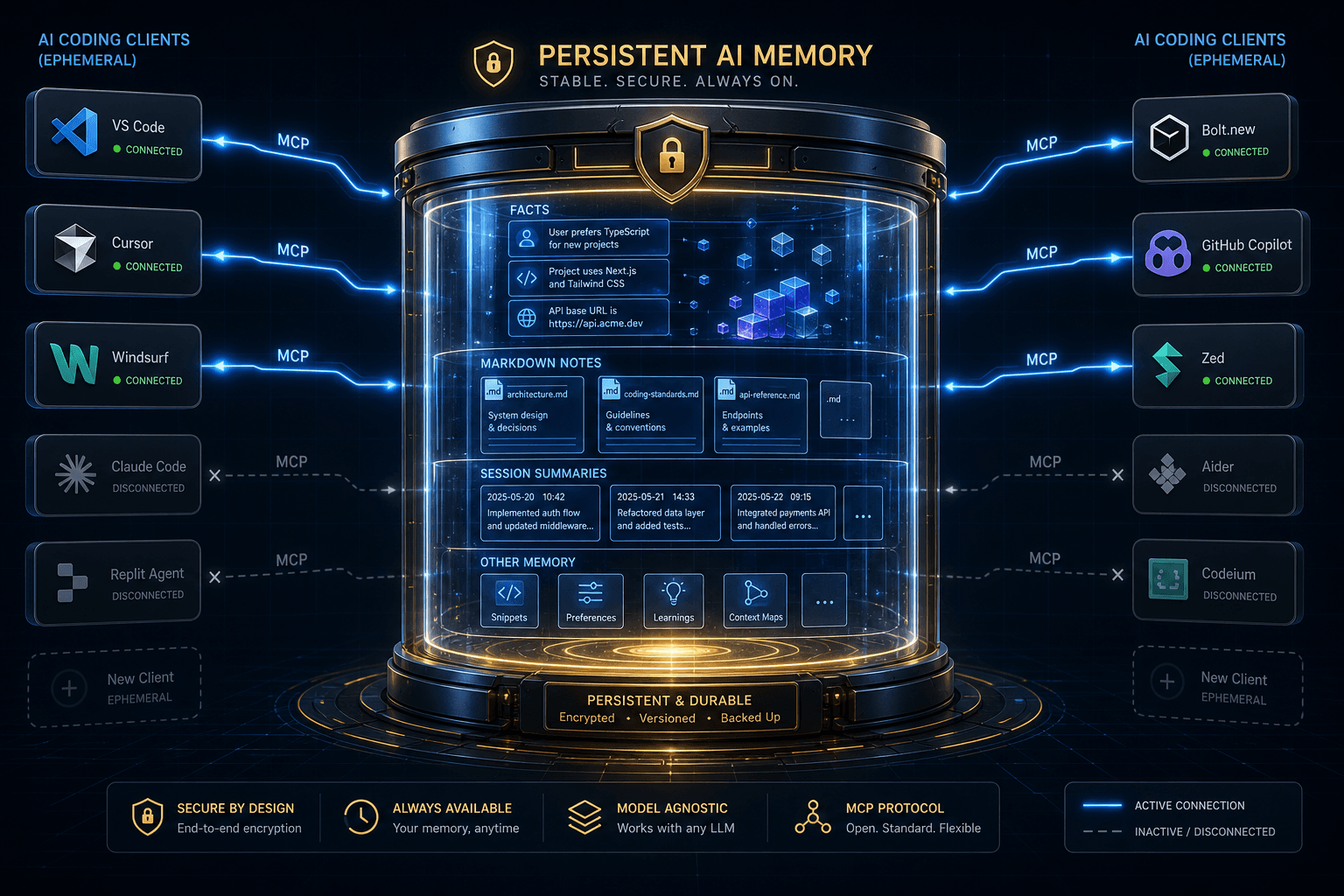
Every serious AI workflow eventually runs into the same wall: the context fills, the session weakens, and the user has to decide what state deserves to survive.
The context window is not a memory system
Compressed evolving memory, shared long-term stores between chat and terminal, and permissioned local context are all attempts to solve the same flaw. Raw transcripts are too bulky, while ad hoc summaries are too opaque.
The signal is specific: The row combines context-window exhaustion, persistent sessions across interfaces, and local memory with hard access boundaries. This is not a request for another place to dump notes. It is a request for memory that can be captured quickly, reviewed later, and reused without polluting every future AI session.
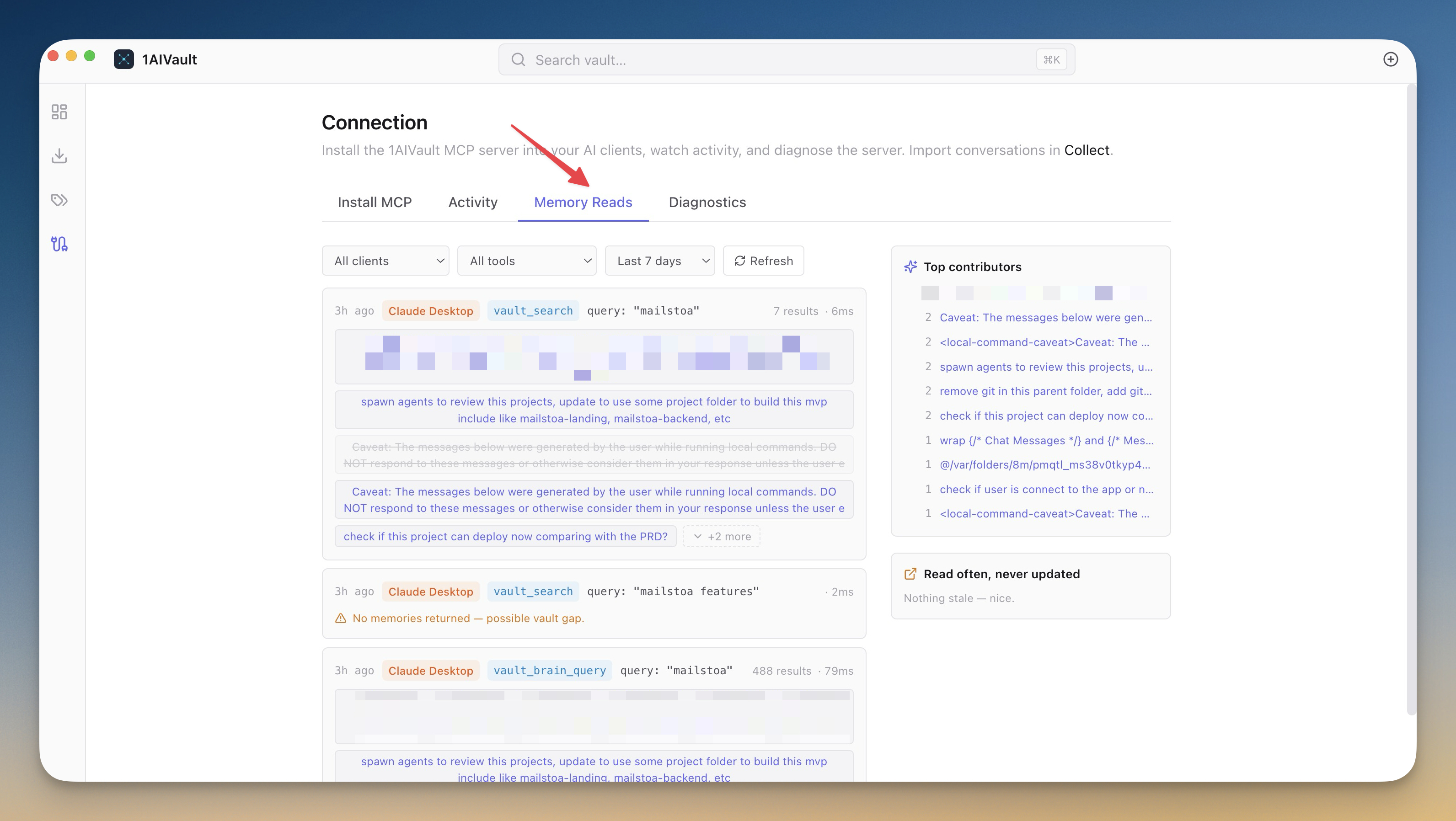 Persistent sessions need visible memory reads so users can tell what context entered the task.
The screenshot matters because memory products are otherwise easy to describe vaguely. A visible capture, graph, dashboard, or memory-read surface makes the promise inspectable: context was saved somewhere, came from a source, and can be reviewed before it is reused.
Shared stores need visible rules
A durable memory layer should compress state deliberately. It needs to preserve decisions, active constraints, source links, and open questions while dropping the conversational filler that made the window heavy.
The system has to meet the user before the material is polished. Notes, chat fragments, project decisions, and half-formed ideas should be easy to save first and organize after the useful context is no longer at risk of disappearing.
That timing is the whole product lesson. Memory that asks for perfect taxonomy up front will be bypassed during real work, while memory that accepts rough capture can improve the record once the user has breathing room.
Boundaries make memory trustworthy
Shared stores require visible read and write rules. If a terminal agent, chat assistant, and collaborator can all touch memory, the user needs to know who added what and who is allowed to reuse it.
AI memory is more sensitive than ordinary note storage because it is designed to be reused. The user needs to know what was captured, where it came from, who can read it, and whether an assistant is allowed to write back into the vault.
Reuse is different from storage
The goal is continuity without contamination. A future task should inherit useful state, not every stale detour from the previous session.
A transcript archive can answer "what did I say?" A reusable memory layer should answer "what context helps this task now?" That requires summaries, source links, freshness, and small context packets instead of indiscriminate recall.
Maintenance is part of the product
Persistent AI memory is not magic recall. It is disciplined state management for work that outlives one prompt.
Memory that cannot be pruned becomes another inbox. The durable version is local, inspectable, and willing to treat forgetting as a feature when old context would make the next task worse.